
With Mark Spurlock, LMFT 45318, by secure video across California.
Childhood trauma does not stay in childhood. It shows up decades later as anger that comes out of nowhere, anxiety that will not settle, trouble trusting people, or a feeling of being "too much" or "not enough." Many adults never connect these struggles to what happened when they were young. They only know something keeps getting in the way. I work with men and women by secure video anywhere in California. The work is paced, and you set the speed.
In you:
With people:
In daily life:
Childhood trauma is not only abuse. It can be neglect, a parent’s addiction or rage, a death or divorce, years of being put down, or a home where you never knew what was coming next.
The child you were learned rules to stay safe: do not need anything, do not trust, do not speak up. Those rules follow you into marriage and parenting. Your spouse gets a reaction that belongs to someone else, years ago. Your own children can stir up what you went through at their age. When you understand the old rules, you can choose new ones, and the whole home feels it.
The goal is not to erase the memory. The goal is for it to become something that happened to you, instead of something that keeps happening inside you.
For trauma from any time of life, see trauma therapy.
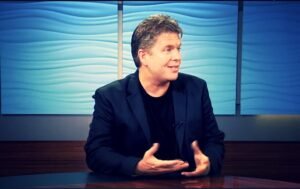
I trained as a child therapist. My early education and training were with children of trauma, and my early work was stabilizing them and building healthy foster families. I went on to train social workers, staff, and foster families across California in stabilizing children of trauma. I saw first-hand what a child does to survive a hard situation. Today I work with adults who were those children.
Book with Mark. Your insurance is checked before the session. We meet by secure video from anywhere private. You do not have to tell the whole story in the first session. We start with what is happening now and what you want to be different. Before we finish, we agree on one clear first step.
No. Many people have gaps, and that is normal. We build the timeline from what you do remember and from how it shows up today.
No. You set the pace. Many people begin with what is happening today and work back only as far as they need to.
Yes. The events are old, but the reactions are happening now, and reactions can change at any age.
It varies by person. We check progress together as we go.
Many major plans are accepted. Use "Check my insurance" to find your plan and book. Private pay is also available.
What you learned as a child helped you survive. Therapy helps you learn what you need now.
No insurance? See private pay.
Mark Spurlock, LMFT. California license 45318. Counseling since 1998. Licensed since 2008. If you are in crisis, call or text 988.